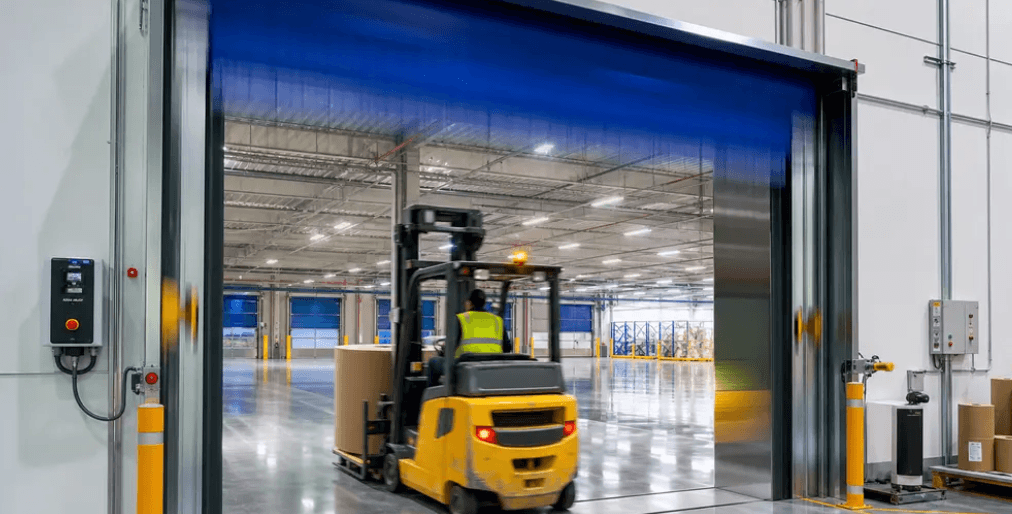
The rise of AI and automation is transforming the job market in unprecedented ways. Many traditional roles, particularly in manufacturing and customer service, face significant risks due to technological advancements. As tasks become automated, workers must confront the reality of job displacement. Yet, this shift may also lead to the evolution of job functions and the emergence of new opportunities. What skills will be essential for success in this changing landscape?
The Jobs Most Vulnerable to Automation
As technology continues to advance at a rapid pace, certain jobs emerge as particularly susceptible to the effects of automation.
Manufacturing roles, often reliant on repetitive tasks, are prime candidates for robotic integration. Similarly, customer service positions face threats from AI-driven chatbots and automated systems.
These sectors exemplify how automation can reshape the workforce, raising questions about job security and the future of human employment.
How Is AI Transforming Traditional Roles?
While many traditional roles face disruption from automation, AI is not merely replacing jobs; it is also transforming how these positions function.
AI integration is driving role evolution, enabling employees to focus on higher-level tasks while automating repetitive duties. This shift fosters enhanced creativity and innovation, allowing workers to embrace new opportunities and redefine their contributions in an increasingly automated landscape.
Essential Skills for the Future Workforce
The evolution of roles driven by AI and automation necessitates a reevaluation of the skills required for the future workforce.
Critical thinking emerges as a vital competency, enabling individuals to analyze complex problems effectively.
Additionally, digital literacy becomes essential, empowering workers to navigate technological landscapes confidently.
Together, these skills foster adaptability and innovation, equipping the workforce to thrive in an increasingly automated environment.
See also: investorcloser
Steps to Adapt in an Automated Job Market
How can individuals effectively navigate the challenges posed by an automated job market?
Embracing reskilling programs is crucial, as they enhance adaptability and open new career avenues.
Furthermore, exploring remote work opportunities allows individuals to tap into a broader job market, fostering flexibility and independence.
Conclusion
As the job landscape evolves under the influence of AI and automation, workers face both challenges and opportunities. While certain roles may be at risk, the potential for transformation offers a pathway for innovation and growth. Adapting to these changes is essential, as the saying goes, “The only constant in life is change.” By embracing reskilling and fostering a mindset of adaptability, individuals can thrive in this new era, ensuring their relevance in an increasingly automated world.