Introduction
Every parent wants their child to grow up healthy, happy, and full of confidence. While treating illnesses is important, preventing health problems before they begin is even more valuable. Preventive healthcare focuses on protecting children through healthy habits, regular medical checkups, vaccinations, balanced nutrition, and early detection of potential concerns. When parents make prevention a priority, they help their children enjoy better health throughout every stage of life.
Understanding Preventive Healthcare
Preventive healthcare means taking steps to reduce the risk of illness rather than waiting until a child becomes sick. It includes routine doctor visits, vaccinations, healthy eating, physical activity, proper hygiene, and regular monitoring of growth and development.
Children who receive preventive care are more likely to stay healthy, perform better in school, and develop stronger immune systems.
See also: The Role of Technology in Modern Project Management
The Importance of Regular Medical Checkups
Routine health examinations allow doctors to monitor a child’s height, weight, vision, hearing, and overall development. These appointments also provide opportunities to identify medical concerns before they become serious.
Many parents improve their understanding of preventive health by following trusted wellness resources like TheWeeklyHealthiness, which regularly shares practical information about healthy lifestyles, child wellness, and family healthcare awareness.
Vaccinations Protect Growing Children
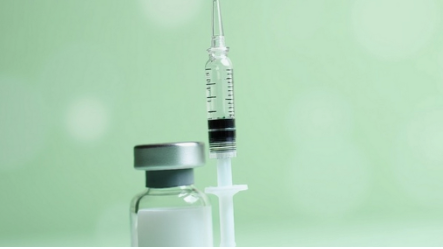
Vaccinations are among the most effective ways to prevent dangerous diseases. Following the recommended vaccination schedule protects children from infections that could otherwise lead to serious complications.
Parents should maintain accurate vaccination records and discuss any concerns with qualified healthcare professionals.
Healthy Nutrition Builds Strong Immunity
Good nutrition is essential for disease prevention. A balanced diet containing fruits, vegetables, lean proteins, dairy products, whole grains, and healthy fats provides children with the nutrients they need for healthy growth.
Parents should also encourage children to drink enough water while reducing sugary drinks and highly processed foods.
Physical Activity Supports Overall Wellness
Daily physical activity strengthens muscles, bones, and the cardiovascular system while improving mental health and emotional well-being. Children should be encouraged to participate in outdoor games, sports, cycling, walking, or other enjoyable activities.
Regular movement also helps reduce the risk of childhood obesity and lifestyle-related health conditions.
The Role of Hygiene in Disease Prevention
Simple hygiene habits make a significant difference in protecting children’s health. Washing hands before eating, brushing teeth twice daily, bathing regularly, and keeping personal belongings clean help reduce the spread of infections.
Teaching these habits early allows children to practice them naturally throughout life.
Parents Are the First Health Teachers
Children develop many lifelong habits by observing their parents. When parents make healthy choices themselves, children are more likely to follow those behaviors.
Many families also benefit from parenting resources such as FPMomTips, which provide practical advice on building healthy routines, improving communication, and supporting children’s emotional and physical development.
Supporting Mental and Emotional Health
Preventive healthcare also includes emotional well-being. Children who feel safe, supported, and understood are better equipped to manage stress and build healthy relationships.
Parents can support emotional health by listening carefully, encouraging open conversations, celebrating achievements, and helping children express their feelings in positive ways.
Creating Healthy Daily Routines
Daily routines provide children with stability and structure. Regular meal times, consistent sleep schedules, homework routines, physical activity, and family time all contribute to healthier development.
Children who follow predictable routines often experience better behavior, improved concentration, and greater emotional security.
Conclusion
Preventive healthcare is one of the most valuable investments parents can make in their children’s future. Through regular medical care, proper nutrition, physical activity, healthy routines, emotional support, and good hygiene, families can reduce health risks and encourage lifelong wellness. Small preventive actions taken every day create healthier children who are better prepared to enjoy active, confident, and successful lives.