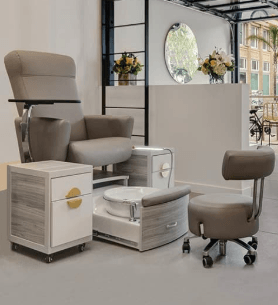
In today’s competitive beauty industry, salon design plays a major role in customer satisfaction and business growth. Every piece of equipment must be selected carefully, especially pedicure chairs, because they occupy a large portion of salon space and directly affect the client experience. Before purchasing any spa furniture, understanding pedicure chair measurements is extremely important for salon owners, architects, and interior designers.
Correct sizing helps create a comfortable environment for clients while also allowing technicians to work efficiently. A salon with poor space planning may look crowded, reduce productivity, and make customers uncomfortable. By choosing the right chair dimensions and arranging them properly, salon owners can create a luxurious and organized atmosphere that improves both workflow and profitability.
Why Pedicure Chair Measurements Matter
Many salon owners focus only on chair style, color, or extra features, but measurements are equally important. The size of a pedicure chair affects overall salon functionality and customer movement. Even premium chairs can become problematic if they do not fit properly within the available area.
Proper measurements help salon owners:
- Maximize available floor space
- Improve technician accessibility
- Create smooth customer traffic flow
- Support safe electrical and plumbing installation
- Maintain a clean and professional appearance
- Prevent overcrowding inside the salon
Careful planning ensures that the salon feels spacious and welcoming instead of cramped and uncomfortable.
Average Pedicure Chair Measurements
Pedicure chairs come in different sizes depending on design, features, and manufacturer specifications. However, most professional salon chairs follow common dimension ranges.
Typical pedicure chair measurements include:
- Width: 30 to 38 inches
- Length: 48 to 65 inches
- Height: 50 to 63 inches
Luxury spa chairs with massage systems and larger foot basins may require additional installation space. Compact models designed for smaller salons generally have narrower dimensions to fit limited areas.
These measurements are important when planning how many units can fit comfortably inside a salon without reducing working efficiency.
Understanding the Full Chair Footprint
When calculating salon space, many owners only measure the chair itself and forget about operational clearance. The total footprint includes more than just the seating area.
A complete pedicure station usually requires space for:
- Reclining movement
- Technician seating
- Client leg extension
- Plumbing access
- Cleaning and maintenance
- Walking pathways
Because of these additional needs, the actual working space per pedicure station is usually much larger than the chair dimensions alone.
Key Elements That Influence Chair Size
Different components contribute to the overall dimensions of a pedicure chair. Understanding these elements helps buyers select the right model for their business.
Reclining Backrest
Modern spa chairs often include adjustable reclining systems for extra comfort. Reclining functionality increases chair depth and requires extra rear clearance.
Integrated Foot Basin
Pedicure bowls and spa tubs add length to the chair setup. Some luxury models include oversized basins that require larger installation areas.
Massage Features
Massage motors and electronic systems are usually built into the base and backrest, increasing chair size slightly.
Side Armrests
Wide armrests improve client comfort but can increase total width significantly.
Storage Compartments
Some chairs include built-in storage cabinets or technician trays that require additional floor space.
Space Planning Tips for Salon Owners
Choosing the correct pedicure chair measurements is only part of successful salon planning. The surrounding layout also matters greatly.
Maintain Proper Distance Between Chairs
Experts recommend leaving at least 36 to 48 inches between pedicure chairs. This spacing improves customer privacy and technician mobility.
Allow Comfortable Walkways
Walkways should remain open and clear for customers and staff members. Narrow paths can make salons feel crowded and unsafe.
Plan Plumbing Carefully
Pedicure stations require water supply and drainage systems. Leave enough room behind or beneath chairs for plumbing installation and future maintenance.
Think About Ventilation
Large spa chairs can reduce airflow in small salons. Proper spacing supports ventilation and improves overall comfort.
Consider Future Expansion
Leave additional space if you plan to add more stations later. Flexible layouts make future upgrades easier.
Different Types of Pedicure Chairs and Their Measurements
Not every salon requires the same type of chair. The ideal size depends on business style, target customers, and available space.
Compact Pedicure Chairs
Compact models are perfect for small nail studios and home salons.
Features include:
- Slim design
- Space-saving dimensions
- Basic functionality
- Easy installation
These chairs work well in limited spaces where maximizing floor area is important.
Professional Standard Chairs
Standard pedicure chairs are commonly used in busy commercial salons.
Advantages include:
- Balanced size and comfort
- Durable construction
- Moderate space requirements
- Suitable for high customer volume
They provide an excellent balance between functionality and efficiency.
Luxury Spa Chairs
Luxury models are designed for upscale beauty salons and wellness spas.
Common features include:
- Oversized seating
- Advanced massage systems
- Premium cushioning
- Elegant appearance
Because of their larger dimensions, these chairs require spacious salon layouts.
Common Measurement Mistakes
Improper planning can create long-term operational problems for salon businesses. Many owners make avoidable mistakes during the purchasing process.
Ignoring Room Measurements
Buying chairs before measuring available floor space often leads to overcrowding.
Focusing Only on Appearance
Beautiful chairs may not always suit the salon layout or operational needs.
Forgetting Technician Workspace
Technicians need comfortable working space to provide quality service efficiently.
Overlooking Doorways and Installation Access
Large chairs may not fit through narrow entrances or hallways during installation.
Neglecting Utility Placement
Incorrect plumbing or electrical positioning can increase renovation costs later.
How Measurements Affect Customer Experience
Customer comfort is one of the biggest factors in salon success. Properly sized pedicure chairs contribute directly to relaxation and satisfaction.
Clients appreciate:
- Spacious seating
- Comfortable leg positioning
- Smooth reclining movement
- Personal space between stations
- Quiet and organized environments
When customers feel comfortable, they are more likely to return and recommend the salon to others.
See also: Cloud Computing for Startups
Choosing the Best Chair Size for Your Salon
Before purchasing pedicure chairs, evaluate your salon goals carefully.
Ask yourself:
- How large is the available floor area?
- How many clients do you serve daily?
- What level of luxury do you want to offer?
- Will you expand in the future?
- Do you prioritize comfort or maximum seating capacity?
Answering these questions helps narrow down the ideal chair dimensions for your business model.
Final Words
Understanding pedicure chair measurements is one of the most important parts of salon planning. Proper sizing improves workflow, enhances customer comfort, and creates a professional business environment. Instead of selecting chairs based only on appearance, salon owners should carefully analyze dimensions, spacing requirements, and installation needs.
A well-designed salon with properly measured furniture not only looks more attractive but also operates more efficiently. Whether you run a compact nail studio or a luxury wellness spa, choosing the right pedicure chair measurements can significantly improve the overall success of your business.